Aircrew Parachute Harness/Pack – Vulcan & Victor Crew Seats: Military Aviation Safety Equipment
Aircrew Parachute Harness/Pack – Vulcan & Victor Crew Seats: Military Aviation Safety Equipment
Blog Article
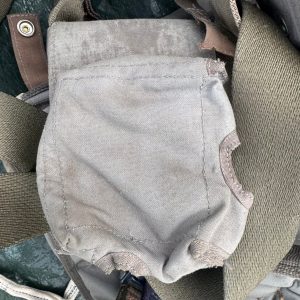
The Aircrew Parachute Harness/Pack – Vulcan & Victor Crew Seats offers collectors, restoration specialists, museums, aviation historians, and qualified equipment professionals a distinctive example of military flight safety equipment.
An Aviation Parachute Harness and Pilot Parachute Harness should be identified through labels, part numbers, manufacturing records, and configuration-specific information.
An Aircraft Emergency Parachute Harness, Aircrew Safety Harness, Flight Crew Parachute Harness, Emergency Parachute Harness, and Military Aircrew Harness all describe safety-related equipment intended to secure aircrew within compatible parachute or escape systems.
An Aviation Emergency Escape Harness may include webbing, fittings, attachment points, adjustment hardware, container-related components, and seat-interface features depending on the exact design.
An Aviation Safety Harness can appear visually complete while containing age-related webbing, corrosion, damaged stitching, altered fittings, or missing components.
Exploring the Aircrew Harness and Pack Configuration
A visually similar military parachute harness may not belong to the same aircraft, seat, or operating configuration.
Collectors and restorers benefit from a complete inventory showing installed items, loose pieces, missing parts, and unverified features.
Inspecting an Aviation Parachute Harness
Metal hardware can corrode, crack, deform, seize, or develop sharp edges that damage surrounding material.
Original thread can lose strength even when the stitch pattern remains visually intact.
Pilot Harness Strap Configuration
Shoulder, chest, waist, and leg adjustments may influence comfort, movement, load distribution, and secure positioning.
Frozen or stiff hardware should not be forced because this can tear material or damage rare components.
Understanding Emergency Parachute Attachment
The harness alone does not establish the condition or completeness of the complete emergency system.
The relationship between each fitting and its surrounding webbing should remain visible for inspection.
Aircrew Safety Harness Applications
Accurate identification supports museum displays, restorations, archival records, and specialist collections.
Historic harnesses should be stored away from direct sunlight, moisture, pests, chemicals, sharp objects, heat, and uncontrolled handling.
Evaluating a Flight Crew Parachute Harness
A clean appearance does not establish structural strength or operational suitability.
Transparent information strengthens trust among buyers of Flight Crew Parachute Harness equipment.
Parachute Webbing Condition Checks
The item should not be opened, repacked, or disassembled without suitable knowledge because historic arrangements may be lost.
Signs of deterioration can include fading, stiffness, powdering fibers, frayed edges, stains, mildew, chemical odor, burned areas, torn stitching, corrosion transfer, and damaged labels.
Vulcan and Victor Aircrew Equipment
The combination of aircraft association, markings, configuration, condition, and check here documentation can influence historical and commercial value.
Support points should distribute weight without stretching aged webbing or stressing fittings.
Military Aircraft Escape System Components
An Aviation Emergency Escape Harness should be understood as one part of a larger crew-survival and emergency-egress arrangement.
Qualified historical or technical review supports accurate Aviation Emergency Escape Harness presentation.
Understanding a Parachute Harness Assembly
The exact configuration should be listed clearly so buyers understand what is included.
Loose components should be photographed, labeled, and packaged separately so they are not lost or mistaken for unrelated hardware.
Maintaining Aircrew Safety Equipment
Aircraft Crew Safety Equipment may include harnesses, parachute packs, helmets, oxygen equipment, survival gear, restraints, life preservers, and emergency signaling devices.
Routine preservation should include gentle dust removal, condition photography, label recording, humidity control, pest monitoring, and suitable storage support.
Aircrew Emergency Equipment Applications
A harness/pack associated with Vulcan or Victor crew seats can contribute to research into military cockpit equipment and emergency procedures.
Accurate classification improves the credibility of Aircrew Emergency Equipment sales.
Pilot Emergency Parachute System
The offered harness/pack should not be treated as a complete parachute system unless every component is identified and professionally evaluated.
Opening a historic pack can disturb original packing arrangements, seals, labels, or documentation.
Historic Harness Display Planning
Its visual impact is enhanced when straps, pack, fittings, labels, and attachments remain arranged accurately.
Controlled access supports preservation of the Aviation Safety Harness.
Evaluating Parachute Harness Value
An operational buyer requires entirely different inspection, certification, and system-compatibility considerations.
Commercial value can be influenced by verified Vulcan or Victor association, rare markings, complete hardware, original pack configuration, preserved labels, and documented history.
Avoiding Incorrect Harness Substitution
A harness associated with one Vulcan or Victor seat position may differ from equipment used by another crew member.
Careful matching preserves both the Aircraft Parachute Equipment and crew seat.
Evaluating Historic Parachute Equipment
A pre-purchase review should confirm manufacturer, part numbers, dates, labels, aircraft or seat association, webbing condition, hardware, pack configuration, repairs, storage history, completeness, and documentation.
- Resolve identity, provenance, configuration, and package-completeness questions before payment.
- Check metal hardware for corrosion, pitting, cracks, bending, sharp edges, seized movement, plating loss, and mismatched parts.
- Require packaging that supports the pack and webbing without sharp folds, crushing, metal abrasion, moisture exposure, or uncontrolled movement.
Parachute Webbing Preservation
The harness and pack should be stored in a clean, dry, stable environment with moderate temperature, controlled humidity, limited light, and protection from pests.
The item should be inspected periodically for corrosion growth, mildew, pest activity, staining, webbing changes, odor, hardware movement, and storage damage.
Displaying the Vulcan and Victor Harness/Pack
Adhesives, staples, screws, drilling, cutting, or irreversible sewing should be avoided.
Professional presentation improves educational value without compromising authenticity.
Military Parachute Equipment Preservation
Aggressive cleaning can remove original markings, finishes, inspection evidence, or historically significant wear.
Documentation should record every intervention, added component, cleaning method, and display modification.
Final Thoughts on the Vulcan and Victor Harness Assembly
When carefully inspected, stored, documented, conserved, and displayed, the Aircrew Parachute Harness/Pack – Vulcan & Victor Crew Seats can remain a valuable military aviation artifact.
A qualified parachute professional must evaluate the equipment before any operational consideration, while a conservator or historian may be more appropriate for display-focused projects.
Whether the assembly is purchased for restoration, research, display, reference, collection, or specialist evaluation, transparent documentation and responsible handling provide the strongest foundation.
With transparent condition reporting, complete photography, secure shipping, specialist review, and controlled handling, the equipment can support a professional Vulcan or Victor crew-seat project.
Report this page